



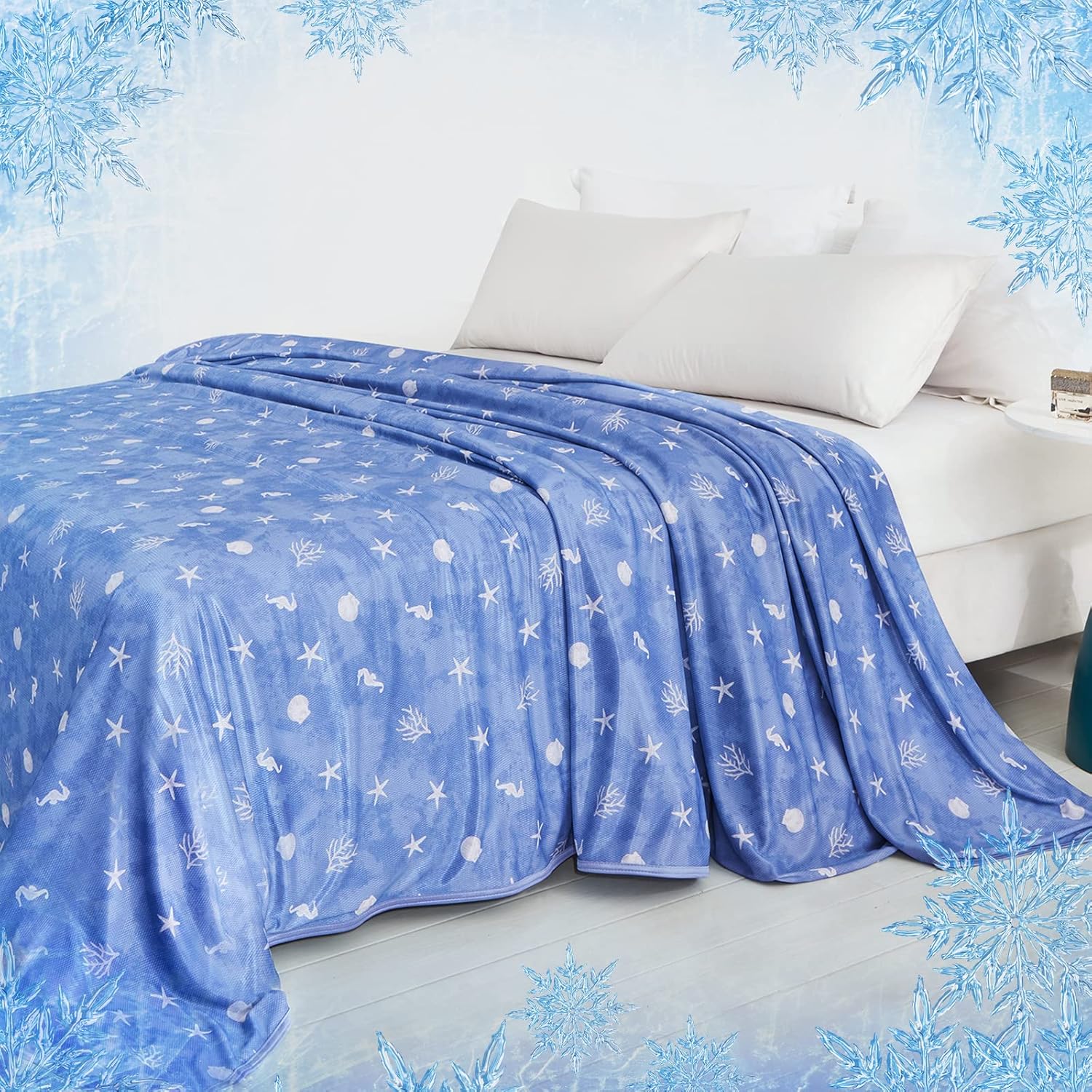

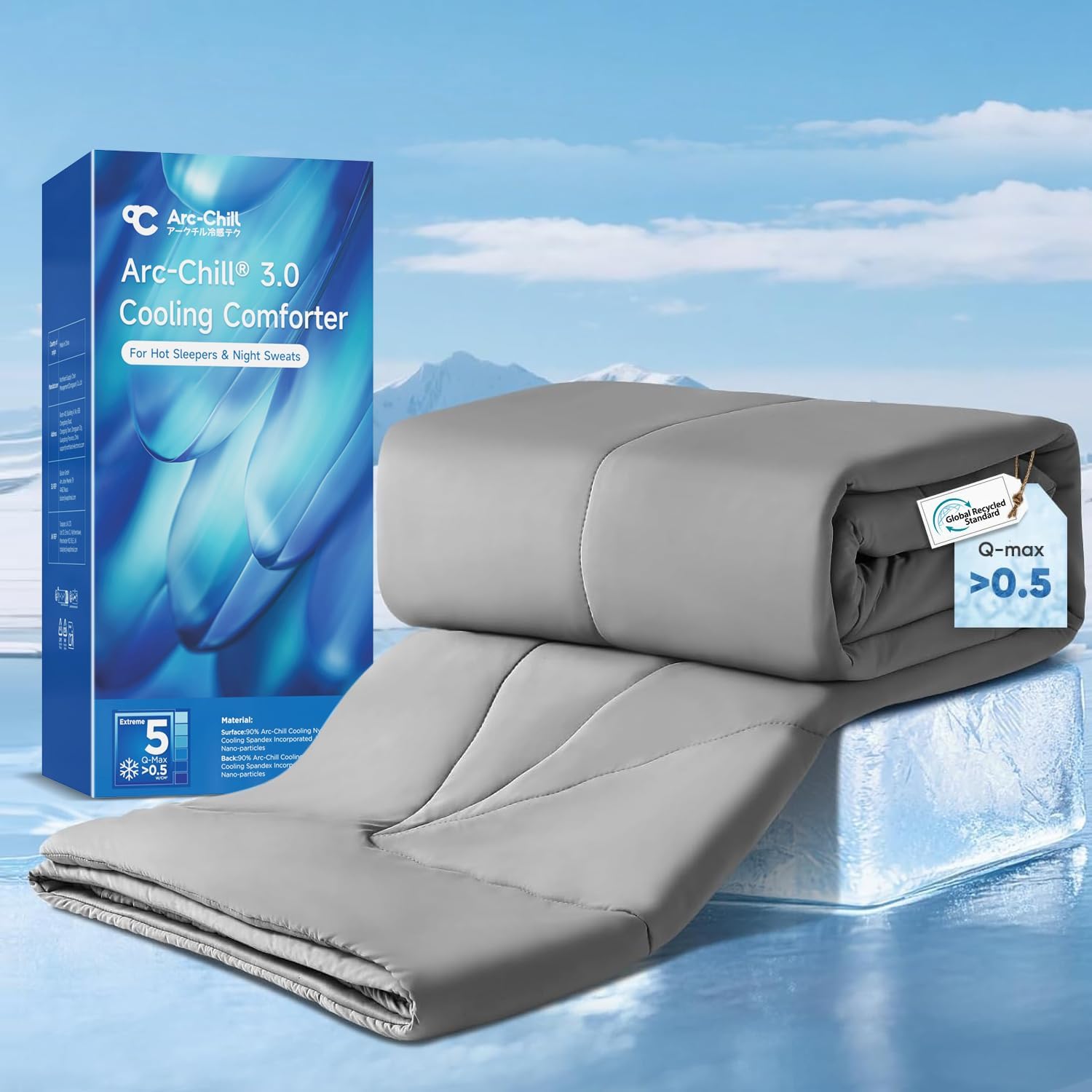


It looked clean coming out of the wash. But back on the bed, your cooling blanket felt different: less smooth, a little stiff, or simply less refreshing than you remembered.
Does that mean washing ruined it? Not necessarily. Residue, incomplete drying, and differences in how you are using the bedding can affect the experience. Excessive heat or rough handling, however, may cause changes that another wash cannot undo.
The answer is not automatically more detergent, a hotter cycle, or a replacement blanket. Start with the care label and these five common laundry mistakes.
Before You Blame the Wash, Check What Changed
Compare your blanket only after it has dried completely and returned to room temperature. If it is reversible, make sure you are touching the same side as before.
Cool-to-the-touch fabric is not a powered cooling system. Room conditions and which fabric surface touches your skin matter, too. Elegear explains these distinctions in its Arc-Chill cooling blanket guide.
Also separate two questions: Does the fabric feel different, or does it look damaged? A coated feeling suggests something different from new snags, distorted edges, or a changed shape. Neither observation alone proves how much cooling performance has changed.
Mistake 1: Adding Extra Fabric Softener for a “Softer” Finish
Do this instead: Skip fabric softener when the care label prohibits it, and measure detergent as directed.
It sounds like a sensible upgrade: a blanket should feel soft, so a generous splash of softener should help.
But softness is not the only quality that matters in functional bedding. Some softeners can leave a coated feel; Good Housekeeping includes buildup and absorbency in its fabric-softener testing. That is a reason to check compatibility, not proof that softener permanently destroys a particular blanket’s cooling effect.
Use only compatible laundry products, and measure detergent according to its directions, your machine, and the load rather than pouring by eye. Whirlpool identifies excess detergent and overloaded loads as possible causes of detergent residue.
If the blanket feels coated after washing, check the detergent dose and rinse conditions before adding another product.
Mistake 2: Turning Up the Water Temperature
Do this instead: Follow the care label’s wash temperature and cycle settings instead of turning up the heat.
A warmer wash can feel more thorough, particularly after a sweaty night. Yet “cleaner” and “hotter” are not interchangeable when caring for delicate bedding.
Elegear’s cooling-blanket washing guide recommends gentle washing and warns against hot water. For the blanket or comforter you actually own, follow its stated temperature limit and cycle instructions. Do not borrow a setting from another model just because both products are described as cooling.
Handle marks using only cleaning methods allowed by the label. Bleach is not a shortcut: Elegear’s washing and drying FAQ advises against it for the blankets covered there.
A useful habit is to photograph the care label when the bedding arrives. You will have the instructions to hand later, without trying to remember which settings belonged to which blanket.
Mistake 3: Using High Heat to Finish Drying Faster
Do this instead: Follow the label’s drying method, and tumble dry only when it is explicitly permitted.
The blanket is almost dry, bedtime is approaching, and one hot dryer cycle seems convenient. This is where a small shortcut can become a bigger problem.
Elegear cautions against high-heat drying in its washing guide. The important distinction is not simply high heat versus low heat: it is whether tumble drying is permitted at all.
“Do not tumble dry” also rules out a low-heat tumble cycle. If your exact label permits tumble drying, follow that label’s setting. If it calls for air drying, use that method instead. Care symbols specify permitted treatments, as explained by GINETEX.
For a model that allows shaded air drying, arrange it with room for air to circulate rather than leaving it in a damp bundle. Give drying its own time in your routine instead of relying on extra heat at the end.
Mistake 4: Squeezing Oversized Bedding into an Undersized Washer
Do this instead: Choose a washer with enough room for your bedding to move freely and rinse thoroughly.
Being able to close the door does not mean the load has enough room to wash properly.
A large comforter needs space to move, and a lightweight blanket can still become part of an overloaded load when towels and other laundry are added. Whirlpool’s guide to washer water levels explains how load size, fabric type, and care instructions affect the appropriate setting.
Check both your bedding’s instructions and the washer manual. If the load has to be forced into the drum, do not keep compressing it to make it fit. Use a suitable larger machine or another cleaning method that the bedding label allows.
Think about what shares the drum, too. Keep delicate cooling fabric away from exposed zippers, hook-and-loop fasteners, and rough items that could snag it. Use a laundry bag when the manufacturer recommends one, and choose one roomy enough for the item. A bag can help protect the fabric; it does not create more washer capacity.
Mistake 5: Folding It Away Before It Is Completely Dry
Do this instead: Let every part of the bedding dry completely before folding and storing it in a dry place.
The outer surface feels dry, so into the cupboard it goes. Meanwhile, moisture may remain inside folded areas, along seams, or within a filled comforter.
This is a storage problem, not necessarily evidence that cooling technology has failed. Whirlpool’s comforter-care guide emphasizes complete drying before use or storage to help prevent mold and mildew.
Before folding, open out the bedding and check areas that may dry more slowly. Do not pack it away while any section still feels damp. If it develops a persistent musty smell or visible mold, seek product-specific cleaning advice before using it again. Adding fragrance or using a hotter cycle without checking the label is not a reliable solution.
If It Already Feels Different, What Should You Do?
Start with the last wash: the products used, the water and drying settings, and how tightly the machine was packed. Then check the label before attempting another treatment.
If residue seems plausible and the instructions allow it, a suitable rinse may help. If the fabric is newly distorted, snagged, or visibly changed, stop experimenting with hotter washes and stronger additives. Take photographs and ask the brand for advice specific to your model. No general laundry tip can promise to reverse physical damage.
For Elegear bedding, keep the model name and its care instructions together. The Elegear Blue Cooling Blanket has a cooling face and a cotton reverse, so compare the same side when assessing how it feels.
Keep the Comfort, Skip the Guesswork
Good care starts with a routine that suits your bedding: an appropriate detergent dose, the permitted wash and drying settings, enough room in the machine, and complete drying before storage.
If you are choosing your next blanket, consider the care routine alongside its size and feel. Explore Elegear cooling blankets, then check the specific model’s instructions before making it part of your laundry routine.
Care guidance varies by product. Always follow the care label supplied with your blanket or comforter rather than applying one model’s instructions to the whole range.
About Elegear
Elegear brings material innovation and practical design to bedding and home textiles, with cooling comfort at the heart of its sleep and everyday-living products.
Follow us: Instagram | Pinterest | TikTok
Media Contact: press@elegear.com


Оставить комментарий
Этот веб-сайт защищается hCaptcha. Применяются Политика конфиденциальности и Условия использования hCaptcha.